
The Role of Luck in Gambling
Luck has long been a central theme in the world of gambling. Many players enter casinos believing that simply being in the right place at the right time can lead to substantial winnings, and those interested in exploring canadian betting sites often seek out the best odds and opportunities. This belief is rooted in the fundamental nature of chance games such as slots, roulette, and dice games, where outcomes are determined largely by random events. While skill can play a role in specific games, the element of luck remains a significant factor that can make or break a player’s experience.
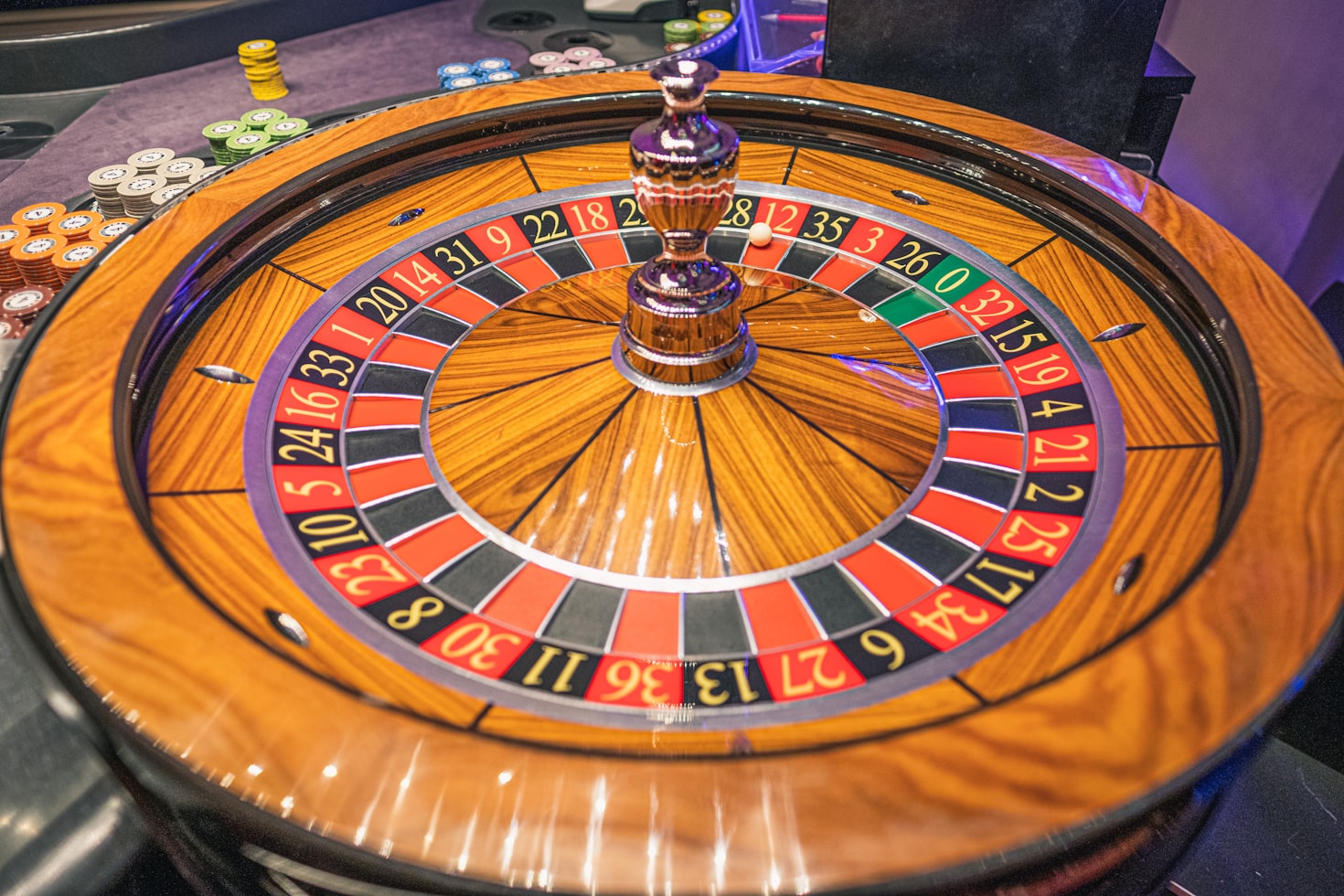
For instance, when playing slots, the random number generators determine outcomes in a completely unpredictable manner. Players may sit for hours spinning the reels, hoping to hit that jackpot. Similarly, in games like roulette, the ball’s final resting place is dictated by physical forces that can be hard to anticipate, underscoring the necessity of luck. Players often recount thrilling stories of improbable wins that spur on the notion that luck indeed plays a pivotal role in their successes.
However, this notion doesn’t negate the importance of strategy and knowledge. Understanding the odds and employing effective betting strategies can certainly enhance a player’s experience. Yet, at the end of the day, the roll of the dice or the spin of the wheel may ultimately hinge on luck, reminding us that while skill and strategy are important, they don’t guarantee success.
Statistical Probability and Its Impact
While luck is often viewed as an intangible force, statistical probability provides a more concrete understanding of success in casino games. Each game is designed with a specific house edge, which reflects the statistical advantage that the casino holds over players. This edge influences the likelihood of winning, which must be considered alongside the element of luck. For example, blackjack offers better odds for the player when compared to slot machines, which typically have a higher house edge.
Moreover, players should familiarize themselves with the concept of variance, which indicates the fluctuations in results over time. A high variance game may lead to erratic outcomes, meaning luck can have more pronounced effects in short sessions. Conversely, low variance games tend to provide more consistent results, though larger wins may be less frequent. Understanding these probabilities allows players to make informed decisions, balancing their strategies with the unpredictable nature of luck.
Ultimately, while luck plays an undeniable role, an appreciation of statistical principles can help players navigate their casino experience more effectively. By understanding how luck interacts with statistical probability, players can better manage their expectations and make informed bets, enhancing their overall enjoyment and potential for success.
The Influence of Psychological Factors
The psychology of gambling is another layer that intertwines with luck and success. Players often experience a phenomenon known as the “gambler’s fallacy,” where they believe that past outcomes can influence future events. For instance, if a player observes a hot streak on a particular slot machine, they may feel inclined to continue playing, underestimating the inherent randomness of each spin. This mindset can skew their perception of luck and success.
Additionally, the excitement and thrill of gambling can amplify a player’s belief in luck. The highs of winning can cloud judgment, leading players to chase losses or make larger bets in hopes of a return on their investment. This emotional rollercoaster can be fueled by luck, as winning streaks heighten confidence and risk-taking behavior, while losses can invoke feelings of despair or negativity that can deter future play.
Furthermore, understanding one’s mental state can be crucial for managing luck’s influence. Players who are calm and focused are more likely to make rational decisions, which can positively impact their performance. By cultivating a healthy mindset and recognizing psychological tendencies, players can better prepare themselves for the unpredictable nature of luck in gambling, ultimately aiming for a balanced approach to their casino experiences.
The Interplay Between Skill and Luck
In many casino games, the balance of skill and luck determines success. While games like poker heavily rely on players’ abilities to read opponents and make strategic decisions, others, like slots, are purely chance-based. This distinction raises the question: how much does skill mitigate luck? In skill-based games, expert players often find ways to maximize their chances of winning despite the inherent role of luck in each hand dealt.
In blackjack, for example, understanding basic strategy can significantly improve a player’s odds against the house. Skilled players will choose when to hit, stand, or double down based on statistical probabilities, potentially reducing the luck factor in their favor. Even so, luck still plays its part; a player can set themselves up for success, but the cards they are dealt ultimately fall under the realm of chance.
Conversely, in games that rely solely on luck, players may find that no amount of skill can bring them consistent success. This unpredictability can make gambling both exciting and frustrating. The essence of casino games lies in their unpredictability, and while skill can enhance the experience, the thrill of chance keeps players returning in search of that elusive big win through sheer luck.
Understanding Your Casino Experience
Playing at a casino can be an exhilarating experience, with the blend of strategy, psychology, and luck creating a unique atmosphere. The thrill of winning, the rush of placing bets, and the anticipation of gameplay contribute to a memorable outing. However, understanding how luck fits into this equation can lead to a healthier relationship with gambling. Players who approach their experiences with a clear grasp of their expectations and the role of chance are more likely to enjoy their time at the casino.
Educating oneself about the games, the odds, and the psychological elements at play fosters a balanced approach to gambling. When players recognize the limits of their control over luck, they are more apt to manage their bankroll wisely and gamble responsibly. This knowledge can also mitigate the risks associated with gambling, allowing for a more sustainable and enjoyable experience.
Ultimately, while luck plays a significant role in casino success, it should be viewed in the context of a broader understanding of gambling. As players navigate their experiences, recognizing the interplay between skill, strategy, and luck can help them cultivate a more enriching and enjoyable gambling journey.