
Understanding the Odds
When it comes to gambling, understanding the odds is crucial. Many players enter casinos with the false belief that luck is the sole factor determining outcomes. In reality, each game has a built-in house edge, meaning the casino always has a statistical advantage over players. For instance, slot machines may seem enticing with their flashing lights and immersive themes, but they often have a payout percentage that guarantees the house profits in the long run. Additionally, exploring options like neosurf casino can provide players with unique gaming experiences that further enhance their strategy and enjoyment.
Another common misconception is that players can manipulate the odds in their favor through strategies. While certain games, particularly those requiring skill like poker or blackjack, allow for advanced strategies to reduce the house edge, most games of chance—such as roulette or slots—are entirely random. This randomness is governed by probability laws, which means that no amount of strategy or personal belief can change the outcomes. Therefore, it’s more beneficial for players to understand the mathematical probabilities behind each game rather than hoping for a winning streak.
Ultimately, recognizing and accepting the odds helps players manage their expectations. By acknowledging that the house has an advantage and that outcomes are unpredictable, players can set realistic goals for their gambling experiences. This mindset encourages responsible gaming, allowing individuals to enjoy the thrill of the casino without falling into the trap of chasing losses or believing they can consistently beat the system.
The Role of Skill and Strategy
Skill and strategy play a significant role in certain casino games, particularly card games like poker and blackjack. In these instances, players have the opportunity to influence the outcome based on their decisions. For example, in poker, understanding opponents and employing strategies such as bluffing can provide players with a competitive edge. Additionally, in blackjack, players utilize strategies like card counting to increase their chances of winning. However, even in these skill-based games, the odds are still in favor of the casino, which underscores the importance of sound strategy over mere luck.
On the other hand, many other popular games like slots or roulette rely heavily on chance. In these games, players cannot implement strategies that would significantly alter their odds of winning. Instead, they gamble purely on luck. This distinction highlights the complexity of casino gaming and emphasizes that while skill can enhance the playing experience and potentially improve outcomes, it does not guarantee success. Players must choose their games wisely based on their skills and understanding of the odds involved.
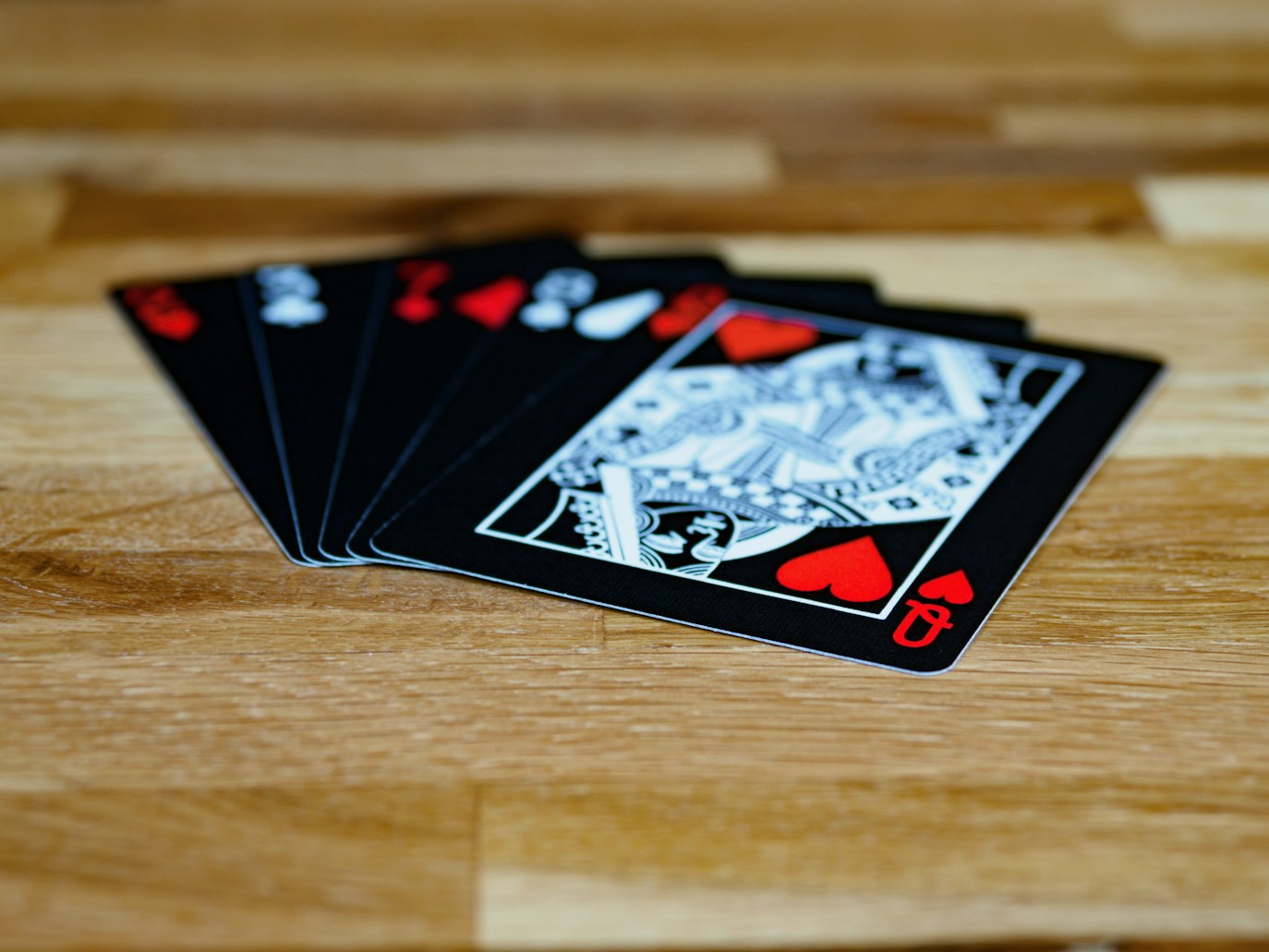
Furthermore, it’s important to consider bankroll management as part of a strategic approach to gambling. Even in skill-based games, having a well-defined budget and understanding when to walk away can significantly influence a player’s overall experience. By combining knowledge of the game, employing solid strategies, and managing finances wisely, players can improve their chances of enjoying their time at the casino while minimizing losses.
Chasing Losses and Gambling Myths
One of the most dangerous myths in the casino world is the concept of “chasing losses.” This behavior occurs when players attempt to recover money they’ve lost by betting larger amounts, often leading to even greater losses. Many fall into this trap due to the emotional rollercoaster of gambling; the thrill of a potential win can outweigh the rational understanding of the risks involved. It’s vital to understand that gambling losses are part of the experience, and attempting to recover them with higher bets can create a vicious cycle that may lead to financial difficulties.
Additionally, various gambling myths perpetuate misconceptions about casino gaming. For instance, some players believe that previous results affect future outcomes in games of chance—this is known as the gambler’s fallacy. In reality, each spin of a slot machine or roll of the dice is independent of prior results. Understanding that each outcome is random can help players make more logical decisions and reduce emotional gambling, which often leads to detrimental habits.
Recognizing the realities behind gambling can empower players to develop a healthier relationship with casino gaming. Setting limits, understanding the importance of a clear mindset, and avoiding the lure of myths can help players enjoy their time responsibly. Education about these common pitfalls can ultimately contribute to a more positive gambling experience, allowing individuals to balance enjoyment with caution and awareness.
The Psychological Aspects of Gambling
The psychology of gambling plays a crucial role in how individuals engage with casino environments. Many people are drawn to casinos due to the excitement and thrill of potentially winning large sums of money. This adrenaline rush can create a euphoric feeling, encouraging players to continue gambling despite losses. Understanding these psychological triggers is essential, as it highlights the need for players to be aware of their emotional state while gambling. Recognizing the signs of compulsive gambling behavior can help in managing risk and maintaining a healthy approach to gaming.

Moreover, casinos are designed to enhance the gaming experience, often employing strategies like bright lights, sounds, and complimentary beverages to keep players engaged. These factors contribute to a stimulating atmosphere that can make it difficult to maintain self-control. The sensory overload can distract players from their budgeting decisions, leading them to spend more time and money than intended. Acknowledging this environment and its psychological implications can empower players to take control of their gaming habits.
To mitigate the risks associated with the thrill of gambling, individuals can adopt practices such as setting time limits and establishing clear budgets before entering a casino. Engaging in mindful gambling—being aware of personal emotions and financial situations—can help players stay grounded. By understanding the psychological aspects that come into play, gamblers can create a more balanced and enjoyable experience, maximizing fun while minimizing potential risks associated with gambling.
Final Thoughts on Responsible Gambling
When engaging in casino gaming, it is essential to embrace a responsible approach. Players should prioritize their enjoyment over the desire to win, understanding that gambling is primarily a form of entertainment. Setting a budget and sticking to it is crucial; this practice not only helps maintain self-control but also allows players to enjoy themselves without the pressure of financial loss. By treating gambling as a recreational activity rather than a means to make money, individuals can safeguard their well-being and foster a healthier relationship with gaming.
Additionally, awareness of personal limits and knowing when to step back from the gaming table are vital. Players should take breaks, reflecting on their experiences and ensuring that they are still finding enjoyment in the games. The knowledge of when to seek help or support can also make a significant difference. Organizations and resources exist to assist individuals struggling with gambling addiction, and reaching out for help is a sign of strength rather than weakness.
In conclusion, understanding the myths and realities surrounding casino gaming can empower individuals to engage thoughtfully and responsibly. By fostering a healthy mindset, prioritizing enjoyment, and understanding the underlying odds and psychology, players can ensure their time at casinos remains fun and fulfilling without leading to negative consequences. Responsible gambling is not only about winning; it’s about enjoying the experience while maintaining balance in one’s life.